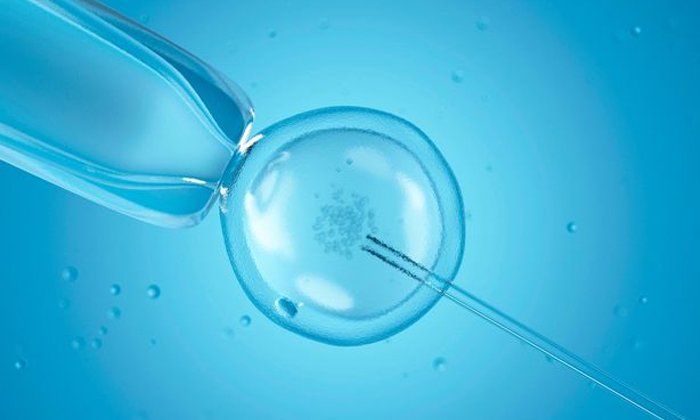
Egg retrieval is among the most vital steps in this IVF process. In accordance with the American Society for Reproductive Medicine Women under the age of 35 usually produce between 10 and 15 eggs in the course of an IVF cycle. The quantity of maturing eggs as well as fertilisation success determines the number of viable embryos that are produced.
For many people, it is a totally new experience, and it’s normal to feel nervous. Although egg retrieval is considered a minor procedure, anxiety about the procedure, timing, and recovery could add stress to an already difficult experience.
This blog will explain the complete egg retrieval procedure step by stage from preparation to retrieval, to make sure you understand what is expected and how you can prepare for the best outcome possible at the best IVF hospital in Ahmedabad.
How do you prepare for Egg Retrieval during IVF?
The preparation for egg retrieval begins with up to 14 days of hormone stimulation injections. The drugs cause the ovaries to expand and create a variety of Follicles simultaneously, with each one bearing an egg that is growing.
The development of the follicles is tracked by blood oestrogen tests and ultrasound scans. An injection trigger is administered at the time that the follicles leading to the lead grow 17-20 millimetres in size. The final injection is what creates the eggs and precisely is the time to ovulate the eggs. The retrieval procedure is scheduled at a time which is set at 36 hours.
What happens during the Egg Retrieval Process?
The procedure is carried out under the influence of IV Sedation. The patient is not anaesthetised however you are incredibly relaxed and do not feel any pain during the process. The procedure takes place in a room at the IVF centre.
The steps are:
- An anaesthetist injects intravenous sedation.
- The transvaginal ultrasound probe, using a fine needle guide, is employed.
- The needle penetrates the vagina’s wall into each hair follicle.
- The ovary gets aspirated from the fluid of the follicular duct.
- In the following laboratory, eggs are detected by an embryologist immediately.
- It occurs in all follicles that are present in both of the ovaries.
- The entire process can take 20-30 minutes.
After a short period of observation, after which you’re released the following day following waking up from the recovery area in just 30 minutes.
What Should You Expect After Egg Retrieval?
The cramping can be mild to moderate and the pelvic fullness typically is experienced within 24 to 48 hours following retrieval. Spotting that is light is normal. Physical stimulation and sedation could result in fatigue.
Make an appointment with the reputed ivf doctor in Ahmedabad immediately in the event of abdominal pain, excessive bloating that doesn’t improve within 24 hours or decrease in the frequency of urination. These could be signs of an Ovarian Hyperstimulation Disorder (OHSS) that must be evaluated promptly.
Best maternity hospital in Ahmedabad at Lifeline Women Hospital & IVF Centre, offers post-retrieval follow-up treatment to all patients. Their staff is available to follow up on OHSS and give instructions for the time between retrieval and the transfer of the embryo.
Conclusion
Egg retrieval is a relatively quick, safe and well-established procedure that forms the foundation for all IVF cycles. Becoming familiar with the process of preparation, the actual process and the time to recover will remove doubt and let it easier to approach this process confidently. Egg quality, as well as the quantity collected determines the sequence of things.
IVF egg retrieval session with Lifeline Women Hospital & IVF Centre. Visit www.ivfahmedabad.com
Frequently asked questions
Is egg retrieval painful?
The procedure is performed during the sedation procedure so that you will experience no discomfort when retrieving. The pelvic pains and light cramps during the postpartum period are normal and can be addressed with traditional painkillers. The majority of women will feel much better after the first 48 hours.
How many eggs must be taken to ensure an effective IVF cycle?
The retrieval of between 8 and 15 mature eggs is thought to be the most effective. The higher the number of eggs, the more embryos to select from. But it’s about the quality of the eggs that matters more than the number. Certain eggs are known to produce better results than many poor eggs.