Infertility has traditionally been spoken about as a women’s issue — and this cultural silence around male fertility does real damage. It delays diagnoses, prolongs treatment, and leaves men feeling isolated from a process that is often affecting both partners equally.
The reality, backed by decades of research, is that male factor infertility contributes to approximately 40–50% of all infertility cases. In another 10–20%, both partners have contributing factors. When a couple struggles to conceive, the male partner’s fertility must be evaluated with the same thoroughness as the female partner’s — and at Lifeline Women Hospital & IVF Centre, Gota, that is exactly the approach we take.
This guide covers what male infertility is, how it is diagnosed, and what male infertility treatment in Ahmedabad looks like — from lifestyle optimisation to ICSI and surgical sperm retrieval.
Understanding Male Infertility: What Can Go Wrong?
Male fertility depends on three interconnected variables: sperm production, sperm quality, and sperm delivery. A problem in any one of these can impair a couple’s ability to conceive.
Sperm Production Problems
Oligospermia (low sperm count) A sperm count below 15 million per millilitre (WHO 2021 reference range). Mild oligospermia may respond to treatment; severe oligospermia typically requires IVF with ICSI.
Azoospermia (no sperm in ejaculate) Complete absence of sperm in the semen analysis. Affects approximately 1% of all men and 10–15% of infertile men. Classified as:
- Obstructive azoospermia (OA) — sperm are produced normally but cannot reach the ejaculate due to a blockage (vasectomy, epididymal obstruction, congenital absence of the vas deferens)
- Non-obstructive azoospermia (NOA) — impaired sperm production at the testicular level; causes include Klinefelter syndrome, varicocele, chemotherapy, or idiopathic
Poor sperm morphology (teratospermia) Abnormal sperm shape affecting the ability to penetrate and fertilise an egg. Strictly defined by Kruger morphology (normal forms <4% = teratozoospermia).
Poor sperm motility (asthenospermia) Sperm that cannot swim effectively toward the egg. Progressive motility below 32% is abnormal.
Combined defects (oligoasthenoteratospermia — OAT) All three parameters impaired simultaneously; requires IVF with ICSI.
Delivery Problems
- Varicocele — dilated veins in the scrotum that raise testicular temperature, impairing sperm production; the most common surgically correctable cause of male infertility
- Ejaculatory dysfunction — retrograde ejaculation (sperm goes backward into the bladder), anejaculation
- Erectile dysfunction — may have both physiological and psychological components
Diagnosing Male Infertility: The Workup
Semen Analysis (The Starting Point)
Every fertility evaluation should begin with a semen analysis — performed after 2–7 days of abstinence, examined within one hour of collection.
WHO 2021 reference values (lower reference limits):
- Volume: ≥1.4 mL
- Total sperm count: ≥39 million per ejaculate
- Concentration: ≥16 million/mL
- Progressive motility: ≥30%
- Total motility: ≥42%
- Morphology: ≥4% normal forms
A single semen analysis showing abnormalities should be confirmed with a repeat test 2–4 weeks later, as sperm parameters fluctuate naturally.
Advanced Testing
When the initial semen analysis is abnormal:
- DNA fragmentation index (DFI) — measures DNA damage within sperm; high DFI (>25%) is associated with recurrent miscarriage and failed IVF
- Hormonal profile — FSH, LH, testosterone, prolactin, TSH
- Genetic testing — Y chromosome microdeletion (for severe oligospermia or NOA); karyotype (for Klinefelter syndrome)
- Testicular ultrasound — for varicocele assessment and structural abnormalities
- Urine post-ejaculation analysis — for retrograde ejaculation
Male Infertility Treatment Options in Ahmedabad
Lifestyle Optimisation First
Many cases of mild sperm abnormality respond to lifestyle modifications over 3 months (one full spermatogenesis cycle):
- Stopping smoking and reducing alcohol — both directly impair sperm quality
- Maintaining a healthy BMI — obesity reduces testosterone and impairs sperm production
- Avoiding heat exposure — laptops on laps, hot tubs, tight clothing
- Antioxidant supplementation — vitamin C, E, CoQ10, zinc, and selenium have modest evidence for improving sperm parameters
For the complete guide: Healthy Lifestyle Tips to Enhance Male Sperm Quality
Varicocele Repair
Varicocelectomy — surgical ligation of dilated scrotal veins — improves sperm parameters in 60–70% of men with clinically significant varicocele. May allow natural conception or improve sperm quality sufficiently to avoid ICSI.
ICSI — Intracytoplasmic Sperm Injection
ICSI is the most important advance in male infertility treatment of the past 30 years. A single viable sperm — regardless of overall count or motility — is injected directly into each mature egg retrieved during an IVF cycle, bypassing the need for the sperm to swim, penetrate the zona pellucida, and fuse with the egg independently.
ICSI is recommended for:
- Severe oligospermia (sperm count < 5 million/mL)
- Very poor motility
- High DNA fragmentation
- Previous failed fertilisation in conventional IVF
- Surgically retrieved sperm (TESA/PESA)
- Unexplained infertility
At Lifeline IVF, our embryologists perform ICSI using inverted micromanipulation microscopes and piezo-ICSI technology — maximising egg survival and fertilisation rates.
TESA and PESA — Surgical Sperm Retrieval
For men with azoospermia, sperm can often be obtained directly from the reproductive tract:
PESA (Percutaneous Epididymal Sperm Aspiration) A fine needle is passed into the epididymis under local anaesthesia — aspirating sperm directly. Used primarily for obstructive azoospermia. Day-care procedure with minimal recovery time.
TESA (Testicular Sperm Aspiration) Sperm are aspirated directly from the testicular tissue. Used for both obstructive and selected cases of non-obstructive azoospermia.
Micro-TESE (Microsurgical Testicular Sperm Extraction) The most advanced surgical sperm retrieval technique — the testis is opened under an operating microscope, and tubules containing active sperm production are identified and targeted. Used for non-obstructive azoospermia when TESA does not yield sperm. Highest sperm retrieval rates in NOA.
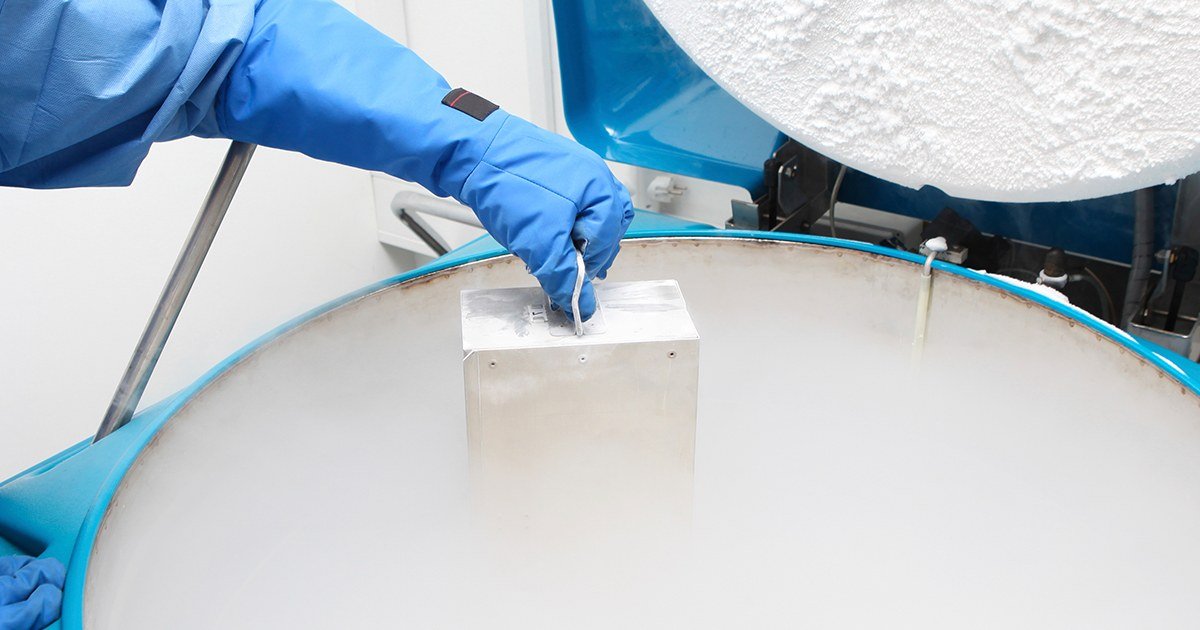
Retrieved sperm are used immediately for ICSI or cryopreserved for future cycles. For couples where the female partner requires ovarian stimulation, surgical sperm retrieval can be timed to coincide with egg retrieval, or sperm can be frozen in advance.
The IVF + ICSI Pathway for Male Factor Couples at Lifeline IVF
The combined IVF-ICSI pathway at Lifeline Women Hospital provides:
- Joint consultation — both partners evaluated together; male semen analysis performed first, before the female undergoes any stimulation
- Simultaneous stimulation and sperm preparation — egg retrieval and sperm retrieval (or preparation) timed on the same day
- ICSI by senior embryologist — all mature eggs are injected and cultured in the Lifeline IVF embryology laboratory
- Blastocyst culture — where possible, embryos are cultured to day 5 for improved implantation rates
- Single embryo transfer — reducing multiple pregnancy risk while maintaining excellent pregnancy rates
For the complete IVF process: Understanding the Stages of the IVF Journey in Ahmedabad
Conclusion: Male Infertility Treatment in Ahmedabad — You Have More Options Than You Think
A low sperm count, severe motility problems, or even azoospermia does not mean fatherhood is impossible. Male infertility treatment in Ahmedabad at Lifeline IVF — from ICSI with optimised sperm preparation to micro-TESE for men with no sperm in the ejaculate — has made biological fatherhood achievable for thousands of men who would have had no options a generation ago.
If you or your partner have received an abnormal semen analysis — or if you’ve been told “the sperm count is fine” but a detailed workup has never been done — speak to our fertility specialists. Accurate diagnosis is the first step.
Book Your Male Fertility Evaluation at Lifeline IVF
A semen analysis takes less than an hour. The answers it provides can change everything.