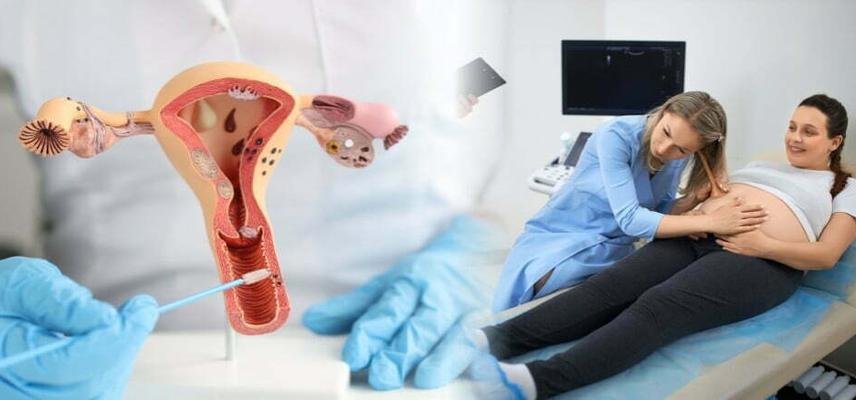
For many women in Ahmedabad — particularly those attending for the first time — a gynaecological appointment carries a degree of anxiety that is disproportionate to what the visit actually involves. The uncertainty about what the doctor will ask, what the examination entails, and whether anything embarrassing will happen creates a barrier that delays many women from seeking care they genuinely need.
This guide removes that uncertainty entirely. It tells you exactly what to bring, what questions you will be asked, what the physical examination involves (and what it does not), and how to prepare for the most productive first appointment with a gynaecologist in Ahmedabad.
At Lifeline Women Hospital & IVF Centre, Gota, the best gynaecologist in Ahmedabad on our team conducts every first appointment with the thoroughness, privacy, and dignity that every woman deserves — regardless of her age, background, or the reason for her visit.
Before Your Appointment: Preparation That Makes a Difference
What to Bring
Previous medical records:
- Previous gynaecological consultation notes or discharge summaries
- Ultrasound reports (pelvis, obstetric) from previous investigations
- Blood test results — particularly hormone panels (FSH, LH, AMH, TSH, prolactin) if previously performed
- Previous Pap smear or cervical screening results
- Vaccination records (HPV vaccination status)
- Obstetric history summary if you have had previous pregnancies (dates, mode of delivery, any complications)
Medications list: Bring a complete list of all medications you are currently taking — including:
- Oral contraceptive pills (name and dosage)
- Thyroid medications
- Iron supplements, vitamins, and over-the-counter medications
- Any traditional or Ayurvedic preparations
Menstrual diary (if relevant): If you are attending for menstrual irregularity, period pain, or heavy bleeding — a simple diary of your last 3–6 months of periods (start date, duration, heaviness, any pain scoring) provides more useful information than trying to recall from memory during the appointment.
Pregnancy test: If there is any possibility of pregnancy — even small — take a home pregnancy test before the appointment and bring the result. This affects both what investigations are safe and what medications can be prescribed.
Timing Your Appointment
The best timing for a first gynaecological appointment depends on your reason for attending:
For routine examination and Pap smear: Days 10–20 of your cycle (avoiding menstruation) — the cervix is most accessible and discharge least heavy.
For investigation of irregular cycles, PCOS, or fertility: Day 2–3 of your period — baseline FSH, LH, AMH, and antral follicle count are most meaningful at the start of a cycle.
For concerns about pregnancy, pain, or abnormal bleeding: Whenever the concern arises — do not delay to achieve a particular cycle timing.
For post-natal check-up: At 6 weeks after delivery — standard timing for wound review, pelvic floor assessment, and contraception counselling.
For detailed guidance on appointment timing: What Is the Best Time to Visit the Gynaecologist in Ahmedabad?
The First Appointment: Step by Step
Step 1 — Registration and Privacy
At Lifeline Women Hospital, patient confidentiality is absolute. Your registration details, the reason for your visit, and all clinical findings are strictly confidential. You may attend with a companion if you wish — or alone if you prefer. There is no judgment either way.
Step 2 — Medical History (15–20 Minutes)
The gynaecologist will take a systematic history covering:
Menstrual history:
- Age at first period (menarche)
- Cycle length and regularity
- Duration of bleeding
- Heaviness (number of pads/tampons, any clots)
- Pain (location, severity, relationship to menstruation)
- Last menstrual period (LMP) date
Obstetric history (if applicable):
- Number of pregnancies, deliveries, miscarriages, terminations
- Mode of delivery (normal or caesarean)
- Any pregnancy complications
- Birth weights and neonatal outcomes
Gynaecological history:
- Previous gynaecological diagnoses (PCOS, fibroids, endometriosis, ovarian cysts)
- Previous gynaecological procedures or surgeries
- Cervical screening history and results
- STI history (asked sensitively; relevant to fertility and current health)
Contraceptive history:
- Current and previous contraceptive methods
- Any contraceptive side effects
Sexual and reproductive health:
- Are you sexually active? (determines which examinations and tests are appropriate)
- Any sexual health concerns or symptoms?
- Are you trying to conceive, avoiding pregnancy, or indifferent?
Medical history:
- Diabetes, hypertension, thyroid disorders, autoimmune conditions
- Family history — particularly ovarian or breast cancer, PCOS, endometriosis, fibroids
- Medications and allergies
The purpose of this detailed history is not invasive — it is essential. Many gynaecological conditions are diagnosed largely from the history, before any examination or investigation is performed.
Step 3 — Physical Examination (5–10 Minutes)
What the examination involves:
General assessment: Blood pressure measurement, weight, BMI calculation, and a general physical check.
Breast examination: The gynaecologist systematically palpates each breast for lumps, asymmetry, skin changes, and nipple discharge. This clinical examination is the first line of breast cancer screening for young women.
Abdominal examination: Palpation of the abdomen assessing for uterine or ovarian enlargement, tenderness, or masses.
Pelvic examination (for women who are or have been sexually active):
- Speculum examination: A bivalve speculum is gently inserted into the vagina to visualise the cervix. This is not painful — though some women find it uncomfortable. A Pap smear may be taken at this point.
- Bimanual examination: The gynaecologist places two fingers inside the vagina and one hand on the lower abdomen — assessing uterine size, position, tenderness, and ovarian palpability.
For women who have never been sexually active: Pelvic examination is generally not performed. Transabdominal ultrasound provides most of the information needed without requiring an internal examination.
Step 4 — Investigations (Requested Based on History and Examination)
Based on findings, the gynaecologist will request:
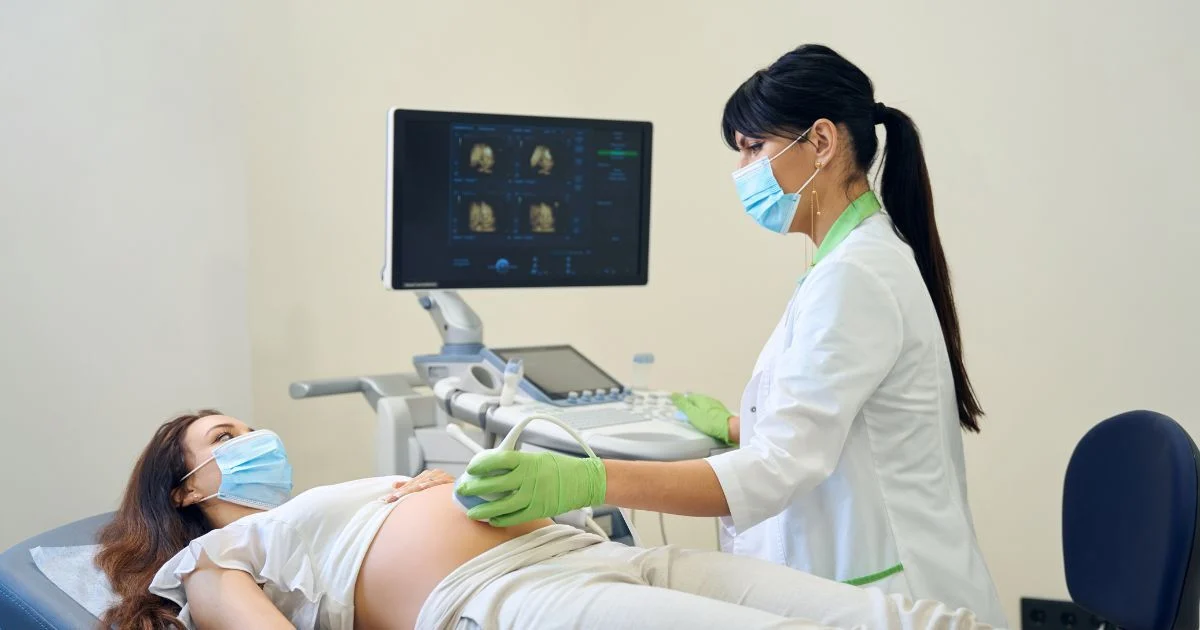
Pelvic ultrasound (transvaginal or transabdominal): The most important investigation in gynaecological practice — assessing uterine size, endometrial thickness, ovarian morphology, and antral follicle count (AFC for fertility assessment). PCOS diagnosis requires both clinical criteria and ultrasound features.
For PCOS-specific information: PCOS Treatment — Best Gynaecologist in Ahmedabad
Blood tests:
- Hormonal panel (FSH, LH, AMH, oestradiol, progesterone — timing depends on cycle day)
- Thyroid function (TSH)
- Complete blood count (anaemia screening)
- Blood sugar (HbA1c) — particularly for women with PCOS or irregular cycles
Pap smear and HPV testing: For women over 21 or within 3 years of sexual activity — cervical cancer screening is one of the most important preventive health measures available.
Step 5 — Diagnosis, Explanation, and Management Plan
After history, examination, and any immediate investigations, the gynaecologist explains findings clearly — in a language the patient understands — and outlines a management plan. This includes:
- What the diagnosis is (or what possibilities are being investigated)
- What the treatment options are
- What investigations are still pending
- When to return and what to monitor
- Any urgent symptoms that should trigger an immediate call
The best gynaecologist in Ahmedabad does not rush this explanation step — because an informed patient is always a better-equipped patient.
For choosing the right gynaecologist for your ongoing care: The Complete Guide for Choosing the Best Gynaecologist in Ahmedabad
Questions to Ask at Your First Gynaecological Appointment
Arrive with these written down:
- What is the diagnosis — and how certain are you?
- What investigations are you recommending, and what will their results tell us?
- What are the treatment options, and what are the advantages and risks of each?
- What happens if I choose not to treat this condition now?
- How often will I need follow-up appointments?
- Is there anything about my family history I should investigate further?
- What contraception is most appropriate for me at this life stage?
- Are there lifestyle changes that would improve my gynaecological health?
Conclusion: Your First Visit to a Gynaecologist in Ahmedabad at Lifeline Women Hospital
A first gynaecological appointment should feel informative, not intimidating. The gynaecologist in Ahmedabad at Lifeline Women Hospital provides structured, unhurried consultations in a private, respectful environment — giving every patient the clinical thoroughness and human dignity that quality women’s healthcare requires.
The first appointment is the foundation of your long-term gynaecological health. Prepare for it. Ask your questions. Leave with clarity.
Book Your First Gynaecological Appointment at Lifeline Women Hospital
No question is too simple. No concern is too small. Our team is here for you.