In-vitro fertilization (IVF) is among the most popular and commonly employed fertility procedures. Offering a range of choices for couples struggling with the issue of infertility IVF is recognized as an effective option for couples of all ages. What is it that makes IVF different from other methods such as IUI or other medication-based treatments?
This blog examines the benefits of IVF and assists patients in making an informed decision on which treatments for fertility best suit the needs of their family.
What is IVF?
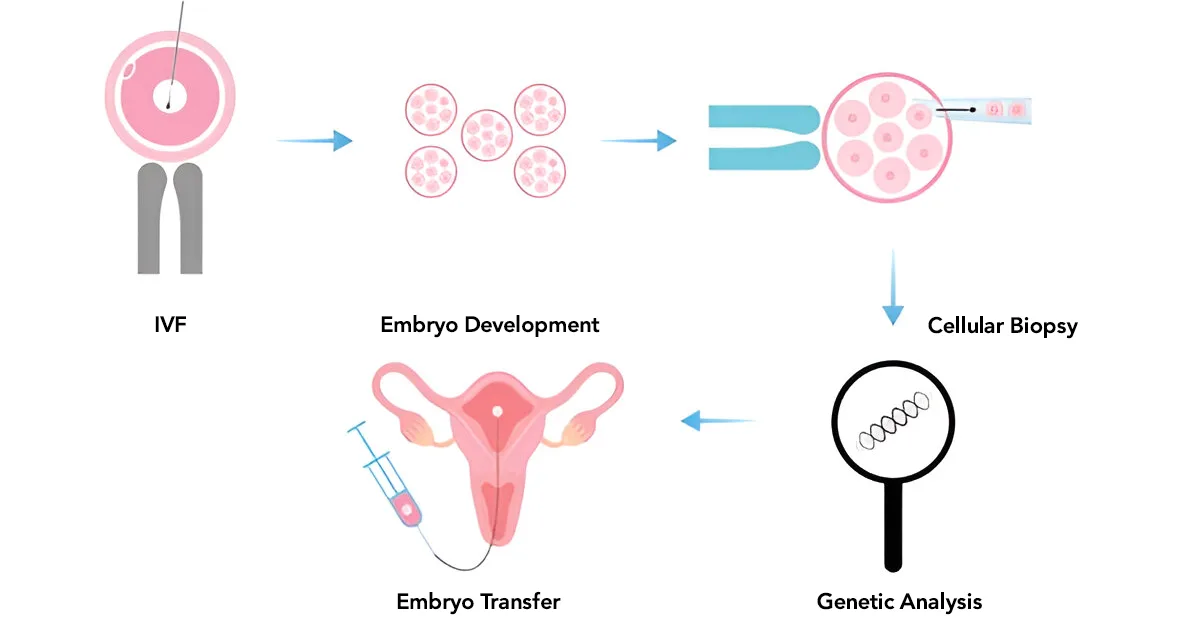
In vitro fertilization (IVF) is an medical procedure which aids couples who suffer from infertility. It is a process that stimulates the ovaries in order to make many eggs. They can then be fertilized outside of the body (in an in vitro lab). After fertilization then the embryo that is created placed in the uterus to implant, and then grow into a child.
IVF is often utilized when all alternative fertility therapies have failed or when there is a specific problems with fertility, like menstrual infertility and obstruction of fallopian tubes. It provides a great quality of precision and control on the process of fertilization, making it among the top and most efficient treatment options for fertility available today.
IVF in comparison to. Other Treatments for Fertility
In the case of fertility treatments, IVF is often compared to alternatives such as IUI and fertility medication and even surgery. Below is a short analysis to help you determine why IVF could be the most effective option.
IVF vs. IUI (Intrauterine Insemination)
- IUI is the process of placing an uterus with sperm in ovulation. It is usually advised for those with mild issues with infertility.
- IVF however is the process of fertilizing eggs that are not inside the body. This is usually employed for more difficult situations like male infertility that is severe or the fallopian tube being blocked.
- IUI is not as invasive and is more cost-effective, but it has low success rates when compared with IVF particularly for women suffering from more severe issues with infertility.
For more in-depth comparisons between IUI as well as IVF visit our website: IUI and IVF. IVF – A Comprehensive guide to Treatment for Fertility.
IVF Vs. Fertility Medicines
- Fertility drugs stimulate ovulation. They are used in conjunction together with IUI to boost the chance of having a baby.
- IVF gives you more control over fertilization and selection of the embryo This can be beneficial for women suffering from extreme problems with fertility.
- IVF generally is more effective when women do not react well to fertility drugs by themselves.
IVF Vs. Surgery
- Laparoscopy and the hysteroscopy procedure are utilized to address anatomical problems like endometriosis and fibroids.
- IVF is an efficient option if surgery is cause problems or in the event that multiple issues exist, since it does not require working reproductive organs.
IVF Vs. Donor Eggs/Sperm
- IVF could also include using donor eggs or sperm it is a viable option for those with poor eggs or genetic issues.
- This method has higher chances of success compared to other options when dealing with serious fertility problems.
What is the reason IVF is often the Most Popular Choice
Although other methods may prove effective, IVF is preferred for complicated cases because of its higher rate of success as well as its ability to deal with more problems with fertility. IVF gives you more control over the process of fertilization and also offers alternatives such as genetic screening, as well as using donors eggs or sperm, providing a complete treatment for a variety of infertility problems.
The Success Rate of IVF
The chance of success with IVF will vary greatly based upon factors such as age, the cause for infertility, as well as the clinical experience of the clinic. In general, the successful rate of IVF is approximately 40% in women younger than 35 however, this decreases with getting older. Women over 40 experience the rate of success decreases however, advances in IVF technologies, including the freezing of embryos, screening genetics and better methods for retrieving eggs has increased the success rate in recent years.
IVF rate of success is also dependent on factors like the embryo’s quality as well as the women’s health in the uterus as well as the root causes of infertility. Transfers of frozen embryos (FET) are also able to are more successful due to superior embryo quality choice and the preparation.
Advantages of IVF
IVF has several advantages in comparison to other methods of fertility treatment:
- Greater chance of success: IVF has a higher percentage of success than other techniques, especially for difficult cases of infertility.
- Donor eggs and sperm: IVF can be used to use donor eggs or sperm. giving solutions to people suffering from concerns with sperm or egg.
- Genetic test (PGD/PGS): IVF enables the embryos to be genetically tested in order in order to detect possible genetic diseases, and gives couples the choice of selecting embryos with no genetic condition.
- Treatment that can be customized: IVF provides a tailored treatment for infertility particularly for women suffering from an endometriosis diagnosis, blocked tubes or the most severe case of male infertility.
The flexibility of IVF and its capability to manage certain aspects of treatment provide IVF the edge over other fertility therapies might not work.
The Risks and Side Effects of IVF
Although IVF is very efficient, it is also accompanied by the potential for risks and side adverse effects
- Ovarian Hyperstimulation Syndrome (OHSS): This condition arises when the ovaries react in a way that is too strong to fertility medications that cause swelling and discomfort.
- Multiple pregnancies IVF increases the chance of having multiple births (twins or triplets) that carry greater dangers to health for both the baby and mother.
- Stress on the financial and emotional: IVF is often physically demanding, especially when more than one cycle is required. It can cost a lot of money, and every insurance plan covers IVF treatments.
But, many of these risk factors can be mitigated through the assistance of an expert fertility doctor. A regular monitoring of the IVF process can reduce the risk of problems.
Recovery and aftercare following IVF
Following the IVF procedure, the patients usually have to rest for a couple of days in order to let the embryos be implanted. Women can resume regular activities in two days. However, they must avoid vigorous activity for the initial few weeks.
Following the transfer of embryos it is necessary to schedule follow-up appointments to verify the success of embryo implantation, assess hormone levels and evaluate any possible side consequences. An expert in fertility will help you through the procedure in order in order to guarantee the health of your baby If IVF proves successful.
In conclusion
IVF is among the most efficient fertility therapies that is available. It has an excellent rate of success and ability to deal with a broad array of fertility issues. It offers a customized approach to treatment of infertility. It also can offer options for genetic screening, as well as the option of using donor eggs or the use of sperm. Like all treatment there are risk that needs to be assessed.
If you’re experiencing difficulties with fertility and you’re thinking about IVF It is essential to talk to an expert in fertility for advice on the ideal solution for you.
Go to Lifeline Women’s Hospital & IVF Center for Premier IVF Solutions
If you’re contemplating IVF as a treatment for infertility make an appointment to Lifeline Women’s Hospital & IVF Centre, to learn more about your options, and receive personalized advice. Our experienced team of specialists are here to assist you reach your goals of having children using the highest quality fertility treatments offered.
Frequently Asked Question
What is the price of IVF?
The treatment for IVF can be costly however, many clinics have packages or financing. You should consult your doctor to know the total cost of treatment.
What is the time it will take to finish one IVF cycle?
A IVF cycle typically lasts four to six weeks from the an ovarian stimulation through embryo transfer. Then, you’ll need to await confirmation of the pregnancy.
What is the best way to utilize IVF when I’m blocked by the fallopian tube?
Absolutely, IVF can be a popular option for women who have fallenopian tubes that are blocked, since it eliminates the requirement to have functioning tubes.