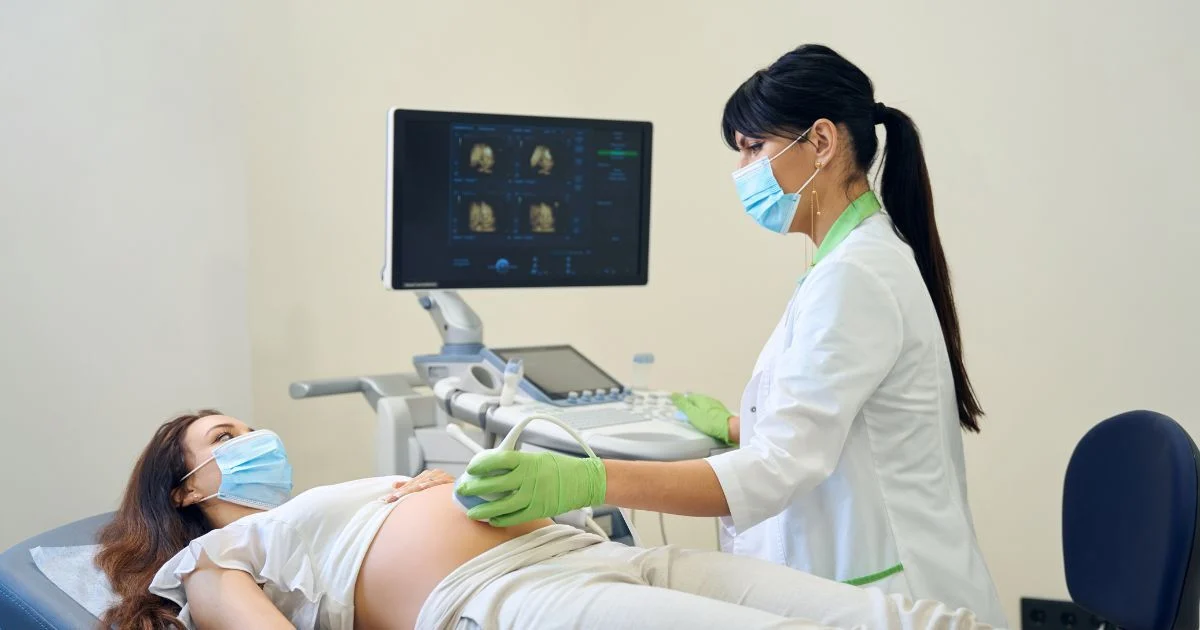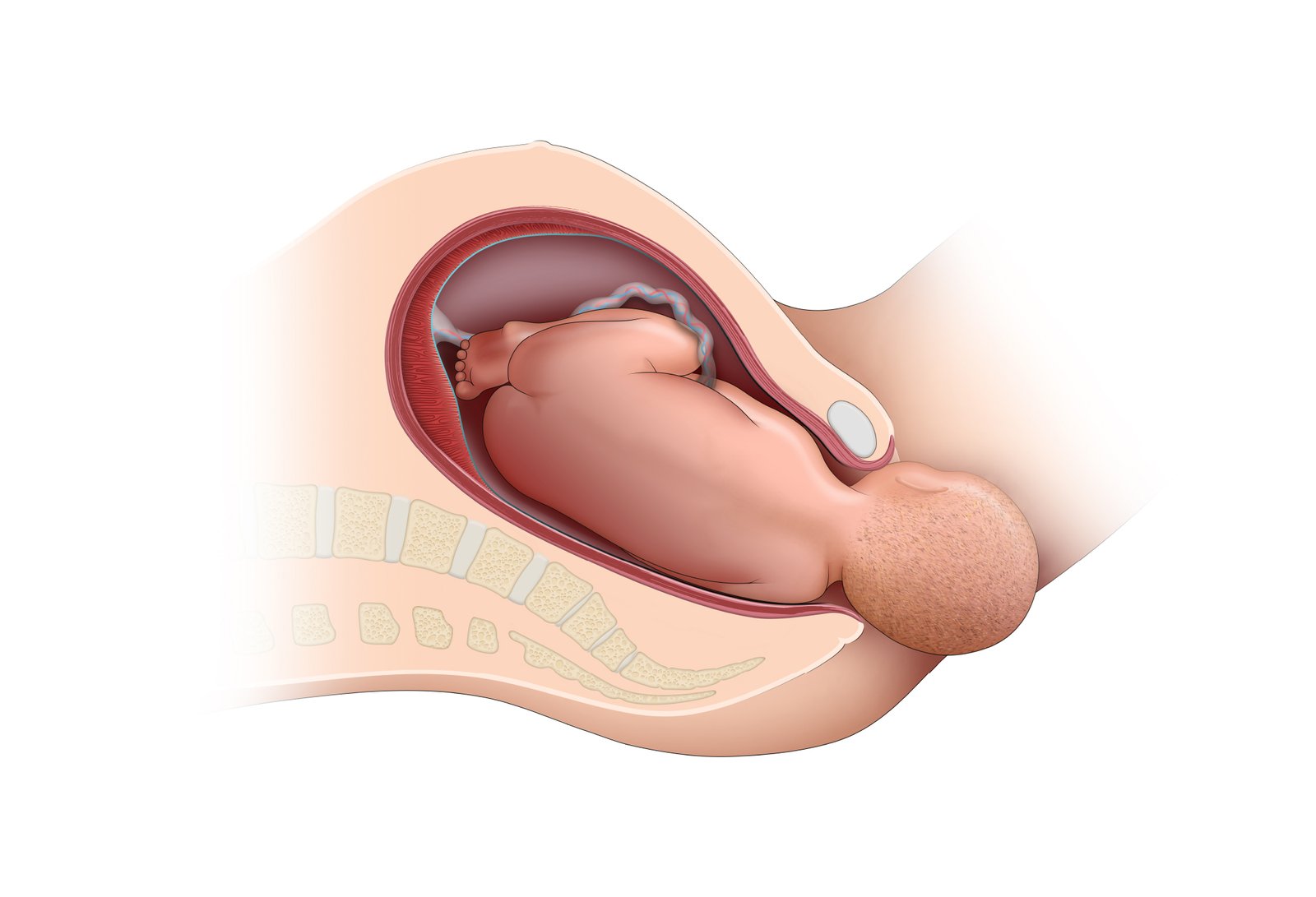
After a long period of anticipation and waiting your baby’s birthday celebration has arrived! The birth experience is full of important physiological changes, as well as the emotions are a blur also. The first few days after the birth, the body is likely to undergo significant changes while the baby learns to adapt to life outside the mother’s womb.
In this blog we’ll talk about what to expect following vaginal birth in order to prepare you for the amazing changes that are to be to.
Immediate Postpartum: Birth of the Placenta
Did you realize that you’re technically still expecting even after your baby’s birth? The term “complete” refers to your pregnancy in the moment you give birth, not just to your infant and your placenta, but to the rest of your body too.
Your placenta has served as your baby’s lifeline over nine months now it serves as the connecting body with your baby’s. Even though it’s attached to the uterine lining the baby is still receiving essential oxygen, blood, as well as nutrients, even if they are born.
For safe and natural childbirth support, the best normal delivery hospital in Ahmedabad ensures expert care throughout the process.
Connecting with your Baby: The Golden Hour
It’s been a long time since you’ve talked about and bonding with your child throughout the course of your pregnancy. You finally get to touch your baby! Contact with skin immediately offers several proven advantages both for parents and infants. These include an increase in oxytocin levels, as well as the control of the infant’s breathing, temperature as well as heartbeat.
Immediate Care for Birthing Parent and Baby
Within the first couple of days after the birth of your newborn will be measured as well as measured and then given an extensive head-to-toe examination. Parents and babies will be given hospital wristbands and infants will receive an ankleband fitted with a security feature that remains in place during the hospitalization.
Parents expecting to have babies can also anticipate to undergo a thorough head-to-toe examination and a particular focus on your vital indicators and bleeding postpartum. Health professionals will periodically check the funds of your body to make sure that your uterus does an excellent job of closing down following birth to stop bleeding postpartum.
If you had an epidural during labour, it’s likely to fade within the first two hours after the birth. The support staff will be there to assist you with care the initial moments you leave the bed following the birth. They’ll accompany you to the bathroom, and ensure that you are able to flush without pain.
Day One Postpartum: Many Firsts
Whatever the case, whether it’s your first child or your fifth baby, the very beginning of the day you meet your new baby is one of memorable moments for parents and newborns. Being aware of what’s expected after vaginal birth on the very first day will help ensure that you’re ready for the next day.
Within the first half an hour or so following giving birth, give your infant the first food either through bottles or breasts. If you’re breastfeeding, the mature milk may not be there in the womb yet. Your body is likely to produce the colostrum that is a nutritious superfood which is a great source of energy and anti-bodies. Your baby will require a meal each day for a period of 1-3 hours throughout the early days after the birth as their small stomach grows in size.
Other important firsts on the initial day following birth can be:
- Your newborn’s first diaper change: The first time they stool and pee (known by the term meconium) could occur at any time during the first 12-24hours following the birth.
- Your first shower post-partum: Your first postpartum shower is said to be a sensational experience! Make sure you bring the products you love to have an experience that is truly satisfying. The soap used in hospitals isn’t known as being the most lavish.
- Lochia: The postpartum bleeding will start when your placenta becomes pregnant. The first few days you will experience a severe period. It will slow down over about 4-8 weeks after the birth.
Day Two Postpartum: Settling In
When your baby’s first day of existence, things may still be very different. It’s still a very raw feeling however, the anxiety of meeting the baby could begin to ease. It is possible that you are exhausted, however, you might be amazed at how energetic you feel because of adrenaline!
If everything went well in your delivery and rapid recovery, what can you anticipate following vaginal birth on day two? It’s the normal time to be taken off the hospital. Going back home might seem like a good thing, or you might feel completely unprepared to bring your child home.
The feelings you feel are normal! The best normal delivery hospital in Gota ensures that new mothers receive proper guidance and support before discharge.
Prior to getting permission to go to your home, the healthcare staff is required to verify certain details are in place:
- Your baby’s feeding properly, whether through bottles or breastfeeding
- Your baby’s diaper is enough dry and dirty diapers
- That you and your child’s vital signs are in good order
Your child will also be subject to regular procedures, like:
- Blood screening tests to identify metabolic disorders (known by PKU test) to detect metabolic abnormalities.
- A newborn hearing screening
- A thorough assessment of the newborn to determine their reaction and any signs of abnormality
- Initial injections, like shots for the first time, such as Vitamin K shot and Hep B vaccine
At Lifeline Women’s Hospital & IVF Centre, Certain babies might also have been tested in other ways like blood glucose tests or a car seat check to make sure they’re ready to live outside of the hospital.
Day Three Postpartum: New Normals
Three days postpartum are an important milestone for many families. Being aware of what can be expected following the birth can help ease the journey back into your home. You may be experiencing your first time spending a full day with your infant. There is a tendency to experience occasional fluctuations in mood, known as baby blues in this period.
Three days postpartum, your bleeding is likely to appear to be quite heavy by this point. However, it might be beginning to taper down. If the bleeding becomes more intense then this could be a sign that it’s the time to ease down. Make sure to contact your doctor If you’re concerned about postpartum bleeding.
Making the Transition to Home with your Child
Being a parent comes with an array of uncertainties. Although you may not know what your birth, labor and recovery go, knowing these basic expectations can be a useful starting base. The body requires healing time through the process of birth. So, prioritize self-care and seek out help from your family members.
A proper amount of rest, water food, healthy and nutritious meals, as well as moderate exercise can help with the healing process and improve your overall health while you transition to the new roles you have taken on as a mother. What should you expect post vaginal birth to be a time that is full of change as well as growth and bonding for parents and baby? If you know what to anticipate and accept this transformational phase with care and compassion to lay the foundations for a healthy recovery postpartum and a nurturing beginning to the journey of becoming a parent. Choosing the best normal delivery hospital in Ahmedabad ensures expert care and support during this crucial time.
Author & Medical Review
Dr. Maulik Shah MBBS, MS (Obstetrics & Gynaecology) — Diploma in Infertility (Germany) | Consultant Gynaec & Infertility Specialist. Medically reviewed by Dr. Maulik Shah.